
When the Black Summer bushfires ravaged the Bega Valley in late 2019, 30-year-old Manu Bohn faced the grim possibility of homelessness. Having migrated from Brazil in 2018, Manu found himself priced out of the property market, leading him to construct a tiny home atop a caravan on a friend’s land as a last resort.

Living in a tiny home provided a lifeline for Manu following the devastating fires, which left him in urgent need of shelter after a breakup. However, the absence of council approval for his dwelling has now put him at risk of losing his home, as per NSW Environmental Planning legislation.
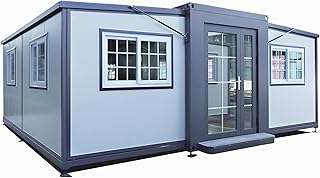
While Manu maintains that his tiny home was built in accordance with state laws, the recent council directive demanding its removal or demolition has left him with a daunting ultimatum. Failure to comply could result in a staggering $1 million fine, a sum that he simply cannot afford.

Tiny houses, like the one Manu resides in, have emerged as a viable housing option in Australia over the past 15 years, ranging in cost from $20,000 to $200,000. With over 122,000 Australians classified as homeless, and a severe scarcity of affordable rentals, tiny homes have become a beacon of hope for those struggling to secure stable housing.

Despite the council’s stance, Manu firmly believes that his tiny home is a practical and affordable solution for his living situation. His dwelling, mounted on wheels, falls into a grey area of legislation, blurring the lines between traditional buildings and mobile homes.

Emeritus professor Paul Burton, a seasoned town planner, underscores the urgent need for policy reform regarding tiny homes. He asserts that outdated regulations fail to address the current housing crisis, pushing many individuals towards makeshift accommodations like vehicles and tents.

While some local councils are beginning to pilot initiatives allowing tiny homes without the need for extensive approvals, the overarching challenge remains the lack of comprehensive guidelines that accommodate these unconventional dwellings.
Manu’s predicament reflects a broader societal issue where rigid regulations often clash with innovative housing solutions. The bureaucratic hurdles he faces underscore the need for a more flexible and compassionate approach towards alternative housing models.
As Manu fights to save his tiny home from being dismantled, his story sheds light on the resilience of individuals navigating housing instability. His plea for a reevaluation of housing policies resonates with many facing similar challenges in an unforgiving property market.
Ultimately, the tiny home movement symbolizes a grassroots response to the housing crisis, advocating for inclusive and adaptive housing solutions that cater to the diverse needs of individuals like Manu, striving for stability and security in an increasingly precarious housing landscape.
📰 Related Articles
- Tiny Home Initiatives Reshaping Urban Housing Dynamics in Europe
- Lake Macquarie Council Introduces Tiny Homes to Tackle Housing Crisis
- Summerland Bank Leads Rate Adjustments Amidst Home Loan Market Stasis
- Student Accommodation Crisis Exposes Harsh Realities of Housing Shortages
- New Domain Sales Platforms Challenge Industry Giants Amidst Competition