
At the recent Paris Men’s Fashion Week, Turkish fashion label Les Benjamins caused a stir with its new collection that blended streetwear with Aboriginal designs and symbols. The collection, created by Istanbul-based designer Bunyamin Aydin, featured dot paintings, Australian animals, and the significant number ‘1788,’ marking European colonisation in Australia.

The luxury sportswear designs were unveiled on the runway, with models adorned in tribal-inspired face paint, adding to the controversy surrounding the collection. Fashion and lifestyle commentator Nick Remsen noted the predictably controversial nature of the designs, especially considering the sensitivities surrounding cultural appropriation.

In an interview with Pause Magazine, Aydin explained that he drew inspiration from the rich cultural heritage of Australia and New Zealand, aiming to combine Aboriginal and British influences in his collection. He highlighted the traditional clothing, face paint, and art of the region, fused with colonial details like royal and floral embroideries.

This incident is not the first time the fashion industry has faced criticism for cultural insensitivity. Earlier in the year, luxury brand Chanel came under fire for selling a boomerang for nearly $2000, sparking discussions about the appropriation of Indigenous designs and the need for better legal protection.

As the debate on cultural appropriation continues to gain attention, it raises questions about the boundaries between creativity and respect for cultural heritage. The intersection of streetwear and luxury fashion with Indigenous cultures underscores the complexities of navigating diverse cultural influences in a globalized industry.

While designers seek inspiration from different cultures to create innovative and eclectic collections, they must also tread carefully to avoid misinterpretation and offense. The blending of streetwear with Aboriginal culture serves as a reminder of the importance of cultural sensitivity and ethical practices in the fashion world.
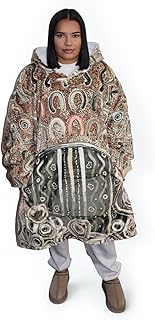
As the fashion landscape evolves, it becomes crucial for designers and brands to engage in meaningful dialogue with Indigenous communities and ensure that their creative expressions are respectful and accurately represent the cultural significance of the designs they draw inspiration from.
Ultimately, the fusion of streetwear with luxury and Indigenous cultures presents an opportunity for the fashion industry to embrace diversity, foster cultural exchange, and promote mutual understanding. By navigating these intersections thoughtfully and responsibly, designers can create truly inclusive and authentic representations that celebrate the richness and diversity of global cultures.
📰 Related Articles
- adidas x MLS Archive Collection Revives ’90s Soccer Fashion
- Zealot: Houston Trio Blends D-Beat and Death Metal
- World Market Unveils Affordable Halloween Home Décor Collection
- Whyte RHe0 3: Urban E-Bike Blends Performance and Practicality
- Wayfair’s Diverse Outdoor Furniture Collection Enhances Outdoor Spaces